Balance History and Romance Without a Lecture
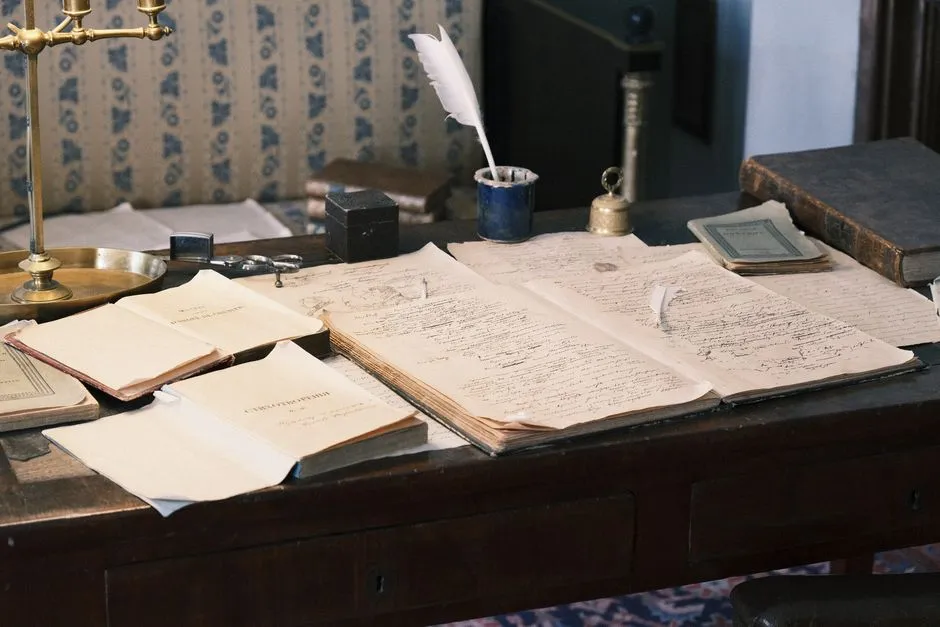
Make history pressure the relationship
Balance history and romance by using researched conditions to shape what the leads can do, risk, misunderstand, and build together. Include a fact when it changes a choice, reveals character, or alters the relationship. Move background that serves none of those jobs out of the scene, however magnificently footnoted it looks in your notes.
Give each scene one historical load
A scene cannot carry the entire period. Choose the system most relevant to its action: travel, correspondence, household labor, property, work, clothing, public reputation, or law. Let the characters deal with that system while pursuing immediate goals.
A delayed message can create uncertainty because of an actual delivery route. A crowded household can limit privacy. A garment can restrict or enable movement in a specific context. History becomes story when it produces consequences.
Use daily-life research to discover those causal details.
Hide explanation inside desire
Characters notice information according to what they want. A person late for an appointment notices distance and transport. Someone protecting a secret notices servants, doors, and who controls the post. A newcomer may need explanation that a lifelong resident would not.
Avoid conversations in which two knowledgeable characters explain their own society solely for the reader. If both know it, give them a disagreement about it. Argument naturally reveals rules and their human cost.
Use specific pressure, not “the times”
Name the person, institution, rule, custom, resource, or threat affecting the choice. Historical experience varies across class, race, religion, gender, sexuality, disability, occupation, jurisdiction, and community. “Women could not” or “society demanded” is often too broad to survive research.
When law, medicine, pregnancy, discrimination, or violence affects the plot, verify the claim through current, appropriate scholarship and keep the narrative register direct.
Preserve the romance engine
Track what changes between the leads in every major scene: knowledge, trust, attraction, power, vulnerability, or future intention. A brilliant historical episode that leaves the relationship untouched may belong in another book—or in a shorter paragraph.
Likewise, do not suspend the world during romantic scenes. Privacy, labor, risk, and expectation continue to exist when the protagonists kiss. The setting should not politely leave the room after doing its exposition.
Our premise guide helps bind the romantic and historical engines from the start.
Control the research iceberg
The reader needs the visible tip that makes the scene clear; the writer needs enough below it to avoid contradiction. Keep the rest in your ledger. You can mention a process briefly when the action shows it, then provide an author's note or source list for readers who want more.
Do not insert a hard-won fact solely because it was hard won. Research effort is not a claim on page space.
Revise in two passes
On the history pass, flag every date, rule, title, object, route, material, and causal claim for verification. On the romance pass, chart each lead's goal and the relationship change. Then examine scenes that pass one test but fail the other.
Use sensory setting to make verified detail immediate without increasing exposition.
Balance is not equal word count. It is integration: the love story could happen only to these people in this world, and the history matters because it keeps changing what love requires.